Denver shut down a popular restaurant over unpaid tax penalties. Then it quickly reversed course
Denverite
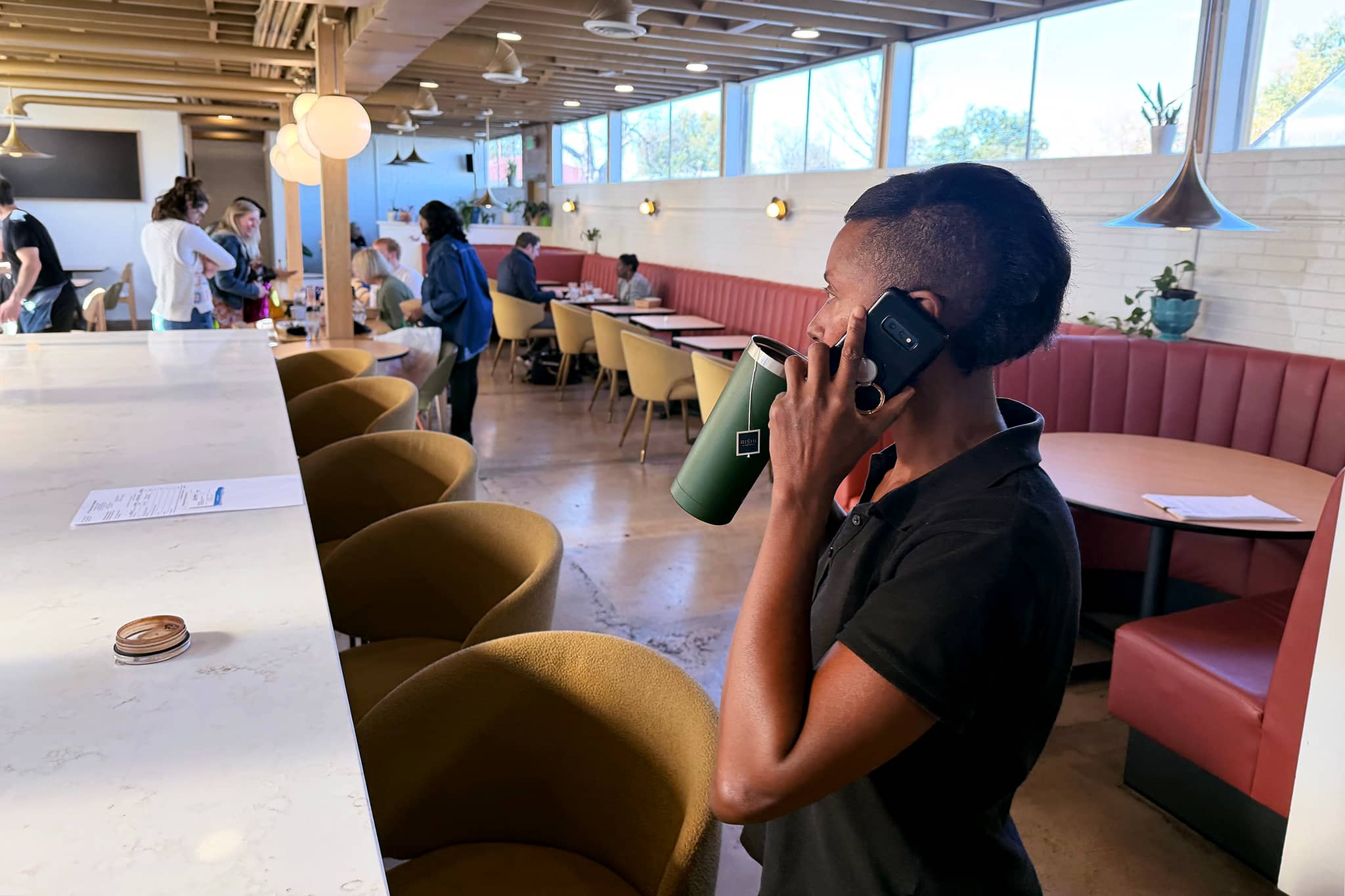
Hasena Williams wants the city to forgive late fines and fees for Ruby’s Good Shoes.
On Wednesday, two city workers and a locksmith showed up to Hasena Williams’ Northeast Park Hill restaurant Ruby’s Good Shoes to serve a warrant, seize the property and lock her out over around $5,000 she owed the city.
Around 20 diners were eating when the tax compliance enforcers arrived. They met with Williams, explaining that she owed money. And then they gave her 30 minutes to wrap up any orders and send her staff home.
Williams told Denverite she had mostly been paying her taxes for Ruby’s and that the owed money was from late fees and fines. Denver officials declined to confirm on the record what exactly was owed.
The locksmith waited for people to leave and the city officials stood at the door, telling customers the popular brunch spot had been shut down and that they could not explain why.
Ultimately, the city employees allowed the restaurant to reopen. It’s set to serve again on Thursday, Williams said. But first came hours of uncertainty, spontaneous community protest and an apparent intervention by the mayor’s office.
A long time coming
Williams’ employees teared up as she broke the news. They pledged to do what they could to help her. They scrambled to clean up and headed home. Williams pleaded with them to have patience as she sorted out the situation.
More than 20 people are employed by the restaurant and a croissant shop that operated inside, all of whom left for the day uncertain about whether they would still have their jobs.
Williams acknowledged she owes the city money. She’s been meeting with Chief Operating Officer Emily Garnett with the mayor’s office, Adeeb Khan of the Denver Economic Development & Opportunity and the Department of Finance, trying to find a fix for the fees and interest that had piled up, she said.
Since opening in July 2025, Williams has spent hundreds of thousands renovating the building, installing a new rooftop heating system to conform with the city’s green building ordinances, keeping up with the city’s minimum wage and paying what she says are unreasonably high taxes.
“I’ve already been squeezed at every angle from the city,” she said. “I just don’t have any more to give.”
Though she’s applied for various loans, she has been denied most of them. Other loans have been granted, but the money has not come through because of the fees and interest she owes.
Running a small restaurant costs her about $80,000 a month, she told Denverite. And she’s made tough calls: pay workers or pay the city. She also struggled to keep up with state taxes, but the state cut her a deal and canceled her late fees so she could keep doing business, she said.
She’s been asking Denver to forgive her fines and debt, and though the city is willing to work out a payment plan with her, she has turned down the offer, arguing the fees and fines are unjust.
“The locks will come off.”
While the locksmith changed the locks, community activist Jeff “Brother Jeff” Fard and mayoral candidate Lisa Calderón came by the restaurant and started livestreaming Williams’ story to Fard’s audience.
One of the city workers told Fard to leave and that the city controlled the building. Fard politely refused, and the city worker threatened to call the police.
Calderón and Fard both demanded Mayor Johnston come to the restaurant and fix the situation himself. The building is a familiar spot for the mayor, who has not only eaten there but once had his office in the building when he was a state lawmaker.
Denverite reached out to the mayor’s office for comment on both the seizure and the threat to call the police.
“We’ve been working with them for six months and we aren’t shutting them down,” the mayor’s spokesperson Jon Ewing said. “We are continuing to work toward a resolution in which she can keep her business open and also pay back the outstanding taxes she owes the city. We offered her another meeting today to talk through it. No one is going to jail, least of all Brother Jeff.”
Denverite clarified that we had watched the city shut down the restaurant, kick out the patrons and staff, and change the locks.
“That was not authorized,” Ewing texted. “The locks will come off. Right f****** now.”
It’s not the first time a restaurant’s tax issues have grabbed public attention. Last year, the well-loved brewery Raices closed its doors as it faced a city order over unpaid taxes, drawing pushback from its supporters.
After an hour or so, another staff member from the Department of Finance came to “deescalate” the situation at Ruby’s so Williams could “be back in business today.”
Williams asked for grace and explained her financial situation to the city worker.
“I’m going to just be as transparent as possible,” the staffer said. “The city of Denver is not going to say we’re going to give you grace and let you file when you want to file.”
“I think the city is really tone deaf and blind to what small business struggles with,” Williams told the staffer.
After a heated conversation about whether Williams would meet with city officials to discuss the money she owed, the official decided to allow her to reopen.
The community showed up to support Williams.
At the urging of Brother Jeff, around 20 community members showed up outside to support Williams. Community members offered to help Williams financially so she could pay the $5,000.
Williams refused their generosity, saying as a matter of principle she wanted the city to forgive the fines and interest accrued on taxes she paid late. Instead, she encouraged her supporters to reach out to the mayor and demand the city waive its fees.
“The city is being a bully,” she said.
Marcus Weaver, who runs the nonprofit Lower the Barrier Colorado, was among the supporters. He says he’s seen the cost of doing business on the rise, and that businesses are not keeping up.
Waiving fines, fees and interest made sense to him. He said it would be an easy way for the city to put its money where its mouth is and support small businesses.
“This is the perfect example of how the city, a city like ours, could really come in and help – waiving fees,” he said. “I get it. They need every penny they can get, but we need places like Ruby’s Good Shoes in our community.”
For now, it’s back in business.
Source
Denverite